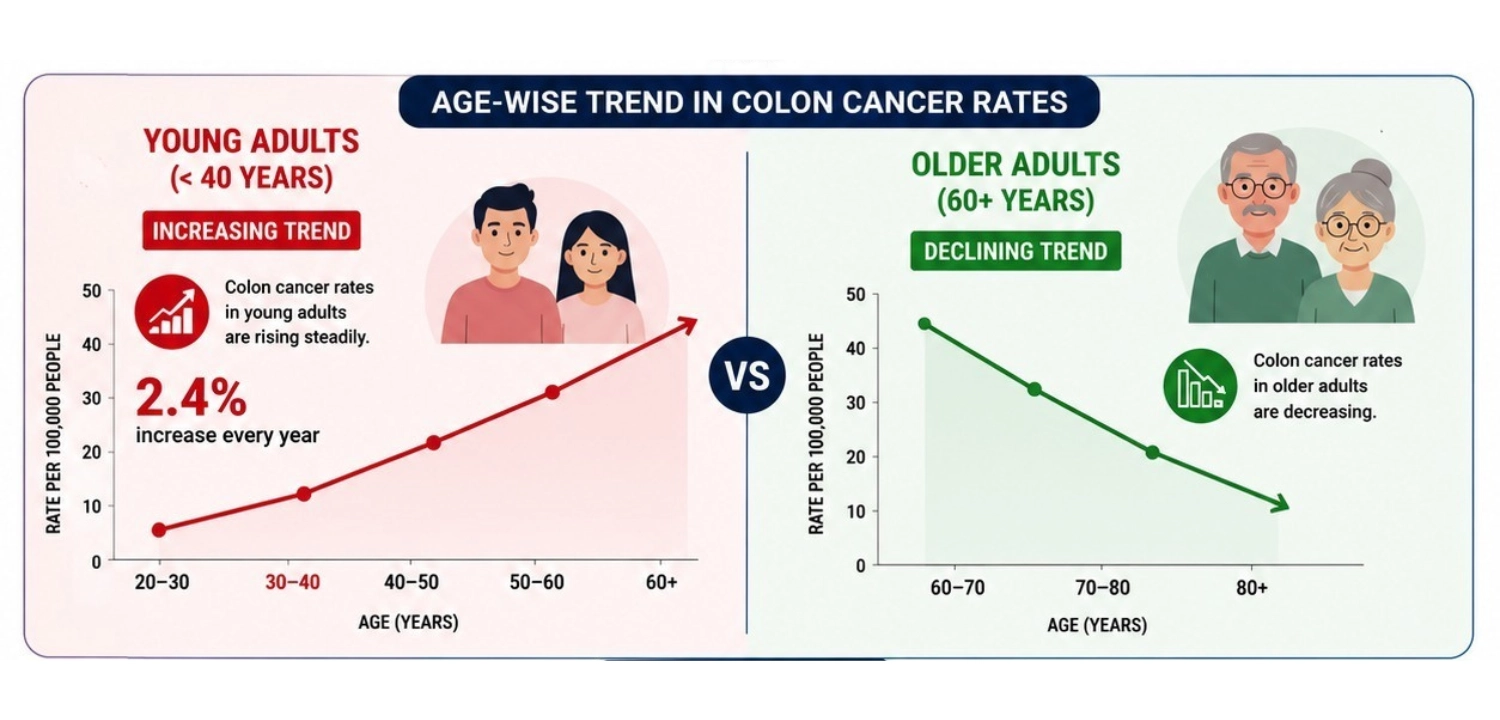
యంగ్ విమెన్ బ్రెస్ట్ క్యాన్సర్ స్క్రీనింగ్ ఎప్పుడు చేయించుకోవాలి?
బ్రెస్ట్ క్యాన్సర్ అంటే చాలా మందికి ఇది వయసు ఎక్కువైన మహిళలకు మాత్రమే వస్తుందని అనిపిస్తుంది. కానీ వాస్తవానికి, యువ మహిళల్లో కూడా బ్రెస్ట్ క్యాన్సర్ వచ్చే అవకాశం ఉంది. అందుకే సరైన సమయంలో స్క్రీనింగ్ చేయించుకోవడం చాలా ముఖ్యం.
ఎందుకు ముందుగానే చెక్ చేయాలి?
బ్రెస్ట్ క్యాన్సర్ ప్రారంభ దశలో చాలా సార్లు ఎలాంటి లక్షణాలు కనిపించవు. కానీ ఫస్ట్ స్టేజ్ లో గుర్తిస్తే చికిత్స సులభంగా ఉంటుంది మరియు పూర్తిగా నయం అయ్యే అవకాశాలు ఎక్కువగా ఉంటాయి.
ఎప్పుడు స్క్రీనింగ్ ప్రారంభించాలి?
20–30 సంవత్సరాల మధ్య:
ప్రతి నెల Self Breast Examination (SBE) చేయాలి
గర్భం లేకపోయినా, ఆరోగ్యంగా ఉన్నా కూడా చెక్ చేయడం అలవాటు చేసుకోవాలి
30–40 సంవత్సరాల మధ్య:
1–3 సంవత్సరాలకు ఒకసారి డాక్టర్ ద్వారా క్లినికల్ బ్రెస్ట్ ఎగ్జామ్ చేయించుకోవాలి
కుటుంబంలో బ్రెస్ట్ క్యాన్సర్ హిస్టరీ ఉంటే మరింత జాగ్రత్త అవసరం
40 సంవత్సరాల తరువాత:
ప్రతి సంవత్సరం మామోగ్రఫీ (Mammogram) చేయించుకోవడం మంచిది
వెంటనే డాక్టర్ను సంప్రదించాల్సిన లక్షణాలు
బ్రెస్ట్లో గడ్డ (lump), నిప్పిల్ నుంచి డిశ్చార్జ్, బ్రెస్ట్ సైజ్ లేదా ఆకారంలో మార్పులు, చర్మం ముడుచుకుపోవడం లేదా రంగు మారడం వంటి లక్షణాలు కనిపిస్తే వాటిని నిర్లక్ష్యం చేయకూడదు. ఇవి సాధారణంగా కనిపించినా, కొన్ని సందర్భాల్లో సీరియస్ సమస్యలకు సంకేతాలు కావచ్చు. కాబట్టి ఇలాంటి మార్పులు గమనించిన వెంటనే ఆలస్యం చేయకుండా డాక్టర్ను సంప్రదించి పరీక్ష చేయించుకోవడం చాలా అవసరం.
రిస్క్ ఎక్కువగా ఉన్నవారు ఎవరు?
కుటుంబంలో బ్రెస్ట్ క్యాన్సర్ హిస్టరీ ఉన్నవారు, హార్మోనల్ సమస్యలు ఉన్నవారు, ఆలస్యంగా పెళ్లి లేదా ప్రెగ్నెన్సీ ప్లాన్ చేసినవారిలో రిస్క్ కొంచెం ఎక్కువగా ఉంటుంది. ఇలాంటి వారు మరింత జాగ్రత్తగా ఉండి, సాధారణంగా సూచించే వయసుకంటే ముందుగానే స్క్రీనింగ్ ప్రారంభించడం మంచిది. ముందస్తు జాగ్రత్తలతో ప్రమాదాన్ని తగ్గించుకోవచ్చు.
నివారణ కోసం ఏమి చేయాలి?
బ్రెస్ట్ క్యాన్సర్ను పూర్తిగా నివారించడం సాధ్యంకాకపోయినా, రిస్క్ను తగ్గించడం మాత్రం సాధ్యమే. ఆరోగ్యకరమైన ఆహారం తీసుకోవడం, రెగ్యులర్గా వ్యాయామం చేయడం, ఆల్కహాల్ మరియు స్మోకింగ్ను నివారించడం, అలాగే రెగ్యులర్ చెకప్ చేయించుకోవడం ద్వారా ఆరోగ్యాన్ని కాపాడుకోవచ్చు. చిన్న చిన్న అలవాట్లు మీ భవిష్యత్తును సురక్షితం చేస్తాయి.
ముగింపు
బ్రెస్ట్ క్యాన్సర్ను ముందుగానే గుర్తించడం జీవితం కాపాడగలదు. వయసు చిన్నదైనా నిర్లక్ష్యం చేయకుండా రెగ్యులర్ చెకప్లు, సెల్ఫ్ ఎగ్జామినేషన్ అలవాటు చేసుకోవాలి. మీ శరీరం ఇచ్చే సంకేతాలను గమనించి, ఏ చిన్న మార్పు కనిపించినా వెంటనే డాక్టర్ను సంప్రదించండి
గుర్తుంచుకోండి:
“Early Detection = Better Protection” మీ ఆరోగ్యం… మీ చేతుల్లోనే ఉంది.
From Stage 4 to Strong: A Breast Cancer Journey of Hope
Breast cancer is one of the most serious health conditions affecting women today. It becomes even more challenging when diagnosed at an advanced stage. However, with the growth of modern medicine, there is more hope than ever before. Today, treatment is not only about curing the disease but also about helping patients live longer, healthier, and more comfortable lives.
This is the inspiring story of a 54-year-old woman who faced Stage 4 breast cancer with courage and received the right treatment at the right time.
How a Small Symptom Led to an Advanced Breast Cancer Diagnosis
The patient, a 54-year-old woman and a mother, first noticed a lump in her right breast. Like many people, she was unsure and worried, but her cousin encouraged her to consult a specialist, as she had previously undergone successful treatment herself.
During the medical examination, doctors found a lump measuring about 5 cm in her right breast. They also observed that the cancer had spread to the lymph nodes in her armpit. A biopsy confirmed that the cancer was hormone receptor positive, which means the cancer cells were growing in response to hormones.
To understand the full extent of the disease, doctors advised a PET CT scan. The scan revealed that the cancer had spread further to lymph nodes in the chest and both lungs. Based on these findings, the cancer was diagnosed as Stage 4 breast cancer.
Understanding the Emotional Challenges of a Stage 4 Cancer Diagnosis
A diagnosis of Stage 4 cancer can be emotionally overwhelming. The patient felt scared, confused, and uncertain about her future. It is common for patients at this stage to feel a sense of fear, as a complete cure may not always be possible.
However, proper counselling and support from the medical team played a key role in helping her understand her condition. She learned that even though the cancer was advanced, it could still be controlled with the right treatment. This gave her the strength and confidence to move forward.
A Structured Treatment Approach That Helped Control the Disease
Chemotherapy Considering her age and overall health, doctors recommended chemotherapy as the first step. She underwent 8 cycles of chemotherapy. This treatment helped in reducing the cancer significantly. Follow-up PET scans showed that the breast lump had completely disappeared and the spread in the lungs had reduced.
Hormone Therapy Since her cancer was hormone receptor positive, she was started on anti-hormone tablets in August 2024. These medicines work by blocking the hormones that help cancer grow, thereby slowing down the progression of the disease.
Targeted Therapy Along with hormone therapy, she was also given advanced targeted treatment using CDK4 inhibitors, specifically Palbociclib. This modern therapy has shown excellent results in managing breast cancer by targeting specific cancer cells and stopping their growth. This combination of treatments helped in controlling the disease effectively.
How She Regained Stability and Continued Living with Confidence
Today, the patient is living a healthy and comfortable life. She has no major symptoms and continues her daily activities with confidence. Her cancer is under control, and she is regularly monitored by her doctors.
Her journey clearly shows that even Stage 4 breast cancer can be managed successfully with proper medical care and timely treatment.
Key Lessons from Her Journey That Inspire Hope
Stage 4 Does Not Mean the End While a complete cure may not always be possible, modern treatments can control the disease and allow patients to live a good quality life.
Personalized Treatment is Key Every cancer case is different. Treatment plans should be based on the patient’s age, health condition, and type of cancer. This personalized approach gives better results.
Advanced Treatments Make a Difference New therapies like targeted treatments and CDK4 inhibitors have changed the way breast cancer is treated. They offer better control and improved survival rates.
Emotional Support is Important Counselling and emotional support help patients stay strong during their treatment journey. A positive mindset can make a big difference in recovery and overall well-being.
About the Hospital & Expert Cancer Care
This successful journey was supported by expert care at Horizon Cancer Care, a best cancer hospital known for delivering advanced and personalized cancer treatment.
The hospital is recognized as a top cancer hospital and best cancer center, offering comprehensive services including diagnosis, chemotherapy, targeted therapy, and long-term cancer management all under one roof.
With a team of experienced cancer specialists and skilled cancer surgeons, the hospital follows a patient-focused approach, ensuring every individual receives the most effective and customized treatment plan.
Their expertise in handling complex cases and commitment to quality care make it a trusted cancer treatment hospital for patients seeking the best cancer treatment and long term support.
Expert Doctor & Results
Under the guidance of Dr. Srinivas Prasad, Senior Consultant Surgical Oncologist with 20+ years of experience and expertise in complex cancer surgeries, the patient received a well-planned and personalized cancer treatment approach.
Strength Beyond Diagnosis
This journey proves that even Stage 4 breast cancer can be managed with the right treatment and expert care. With advanced therapies and guidance from Dr. Srinivas Prasad, the patient regained confidence and stability.
It stands as a strong reminder that with courage, support, and modern medicine, life can move forward with hope.
Horizon Cancer Care, Banjara Hills Cancer Hospital is well-known for providing comprehensive cancer care, including advanced diagnostic, surgical, and therapeutic procedures. Here’s why patients choose us:
Experience and expertise: Our team is led by Dr. Srinivas Prasad, top oncologist and cancer surgeon with over 20 years of experience and known for his meticulous surgical skill and exceptional clinical acumen. Under his leadership, we ensure the best possible outcomes for our patients.
Advanced Technologies: We use the latest cancer therapy technologies to achieve high cure rates with minimal complications. Horizon Cancer Care is outfitted with utilizes cutting-edge cancer treatment equipment to ensure precise diagnoses and effective treatments.
Individualised Care: We believe in a patient-centred approach, providing one-on-one care. Our personalised treatment protocols are carefully crafted to suit each patient’s unique requirements and preferences. Our cancer therapies are tailored to each individual’s budget, ensuring that everyone has access to care.
Comprehensive Services: From early detection and diagnosis to advanced surgeries, chemotherapies, immunotherapies, and radiation network, we serve all areas of cancer care. Our services include organ and fertility preservation surgery, palliative care and also access to the latest and the most recently launched drug regimen protocols.
Our Mission and Values
Our mission at Horizon Cancer Care Banjara Hills is to provide outstanding cancer therapy that is also affordable. We aim to empower lives through compassionate care, inspire hope and create a world where every individual can navigate this challenging journey with strength and dignity.
We value innovation, excellence, empathy and collaboration and aim to provide a uniquely patient centrered approach.
Our Comprehensive Cancer Care Services
At our Horizon Cancer Care Banjara Hills, we offer the entire range of cancer treatment services to ensure comprehensive care:
Early detection and diagnosis: Using cutting-edge diagnostic testing and cancer imaging techniques we ensure accurate and timely cancer diagnosis.
Surgical Excellence: Providing the best cancer-clearing surgeries with exceptional surgical outcomes, including cosmetic and reconstructive plastic surgery.
Chemotherapy and Immunotherapy: Providing access to the most recent chemotherapy drugs and breakthrough immunotherapy treatments.
Radiation Therapy: Working with qualified radiation experts to provide the best effective radiation treatment.
Why Location Matters: Banjara Hills, Hyderabad
Choosing a cancer hospital in Banjara Hills, Hyderabad has various benefits:
Accessibility: Our hospital is located in the center of Hyderabad, making it conveniently accessible to patients from all around the city and beyond.
Reputation: Banjara Hills is well-known for its high-quality medical facilities and recognized healthcare specialists, making it an excellent choice for top-tier cancer treatment.
Comprehensive Care: Our hospital is part of a wider medical community in Banjara Hills, which allows for smooth referrals and collaborative care when necessary.
Our cancer hospital in Banjara Hills, Hyderabad, offers a comprehensive range of cancer treatments, including surgery, chemotherapy, immunotherapy, targeted therapy and radiation therapy. We also provide advanced diagnostic services, early detection programs, and personalized treatment plans tailored to each patient’s specific needs.
Scheduling an appointment with Dr. Srinivas Prasad is simple. You can contact our hospital directly via phone or email, or use our online appointment booking system available on our website. Our staff will assist you in finding a convenient time for your consultation.
Our cancer hospital stands out due to our exceptional medical team led by Dr. Srinivas Prasad, who has over two decades of experience in oncology. We use the latest technologies and treatment protocols to ensure high cure rates with minimal complications. Additionally, we offer personalized care, transparent pricing, and comprehensive support services to ensure the best outcomes for our patients.
Yes, we understand that cancer treatment can be financially challenging. We offer various financial assistance programs and work with multiple insurance providers to help cover treatment costs. Our financial counselors are available to assist you with insurance claims and to explore any available funding options to ensure that you receive the necessary care without undue financial burden.
No. Many patients are eligible for breast-conserving surgery (lumpectomy) followed by radiation. The choice depends on tumor size, breast size, multifocality, genetic risk, and patient preference.
Key factors in choosing the right cancer, Surgeon in Hyderabad
Selecting the appropriate surgeon is an essential stage in your recovery process after receiving a cancer diagnosis, which can be an intimidating experience. Hyderabad has many possibilities because of its state-of-the-art medical facilities and highly skilled oncologists. Finding the best cancer surgeon in Hyderabad, though, might be difficult. This guide will assist you in understanding the most significant variables to take into account when making this important decision.
Understanding the Role of a Cancer Surgeon
A surgical oncologist, another name for a cancer surgeon, is a physician qualified to remove malignant tissues and tumours through surgery. Their knowledge goes beyond simply carrying out operations; they are essential in the diagnosis, staging, and overall therapy planning of cancer. This could entail arranging for radiation therapy, chemotherapy treatment in Hyderabad, and other methods in coordination with other professionals.
Key Factors to Consider
1. Qualifications and Experience
Qualifications
Verify that the surgeon possesses the required credentials, including a medical degree from an accredited institution, specific training in oncology surgery, and certification from pertinent medical boards like M.Ch.
Experience
Experience is most important. A skilled cancer surgeon in Hyderabad will have successfully treated several different types of cancer with surgery. A senior surgeon will be able to decide when and when not to operate, when to opt for combined treatment modalities such as pre operative chemo-radiation, safe preservation of organs and functional outcome, fertility preservation and also reduce the chances of cancer recurrence. Ask them about their experience treating your particular type of cancer, how many procedures they have completed, and their success rates.
2. Specialisation in Cancer surgery
Various surgical techniques are needed for different types of cancer (breast, colorectal, lung, etc.). A surgeon who trained in Surgical Oncology from a reputed cancer Institute will have a greater understanding of the principles and complexities associated with treating that specific malignancy. Find out if the surgeon has experience with similar patients and the results of previous surgeries.
4. Multidisciplinary Team Approach
A collaborative approach is often necessary in the treatment of cancer. To develop a customised treatment plan, a skilled cancer surgeon will collaborate extensively with pathologists, medical oncologists, radiation oncologists, and other specialists. This method guarantees that every facet of the patient’s health is taken into account, resulting in a more successful treatment plan.
5. Communication and Compassion
In cancer care, effective communication is essential. A skilled and sympathetic surgeon should be able to clearly and concisely explain the diagnosis, available treatments, and surgical techniques. They ought to be prepared to respond to all of your inquiries and offer consolation. Your experience with treatment may be greatly impacted by your surgeon’s level of comfort and trust.
6. Patient Reviews and Testimonials
Testimonials and reviews from patients shed light on the surgeon’s skill and level of patient care. Check independent review sites, medical forums, and hospital websites for reviews. Positive testimonials from previous clients may serve as a reliable gauge of the surgeon’s abilities and philosophy of patient care.
7. Success Rates and Complication Rates
Find out how often complications occur and what the surgeon’s success rate is. All procedures have some risk involved, however it is better to choose a surgeon with higher success and lower complication rates. During your visit with the surgeon this information can be discussed . To make sure all of your problems are taken care of, bring a list of questions.
8. Accessibility and Follow-Up Care
Take into account how easily accessible the surgeon is for emergencies, follow-ups, and consultations. Follow-up treatment after surgery is essential for tracking recovery and handling any problems. Select a surgeon who is dedicated to offering ongoing care and is conveniently accessible.
9. Insurance and Financial Considerations
It’s important to comprehend the financial implications of cancer treatment because it might be costly. To save as much money as possible out of pocket, make sure the surgeon and the hospital are covered by your insurance. Talk about the cost of the procedure, any possible aftercare, and the available funding sources.
10. Chemotherapy Treatment in Hyderabad
The accessibility and calibre of chemotherapy care in Hyderabad should be taken into account when surgery and chemotherapy are combined. For example, Horizon Cancer Care provides integrated care where patients can get chemotherapy and surgery under one roof, guaranteeing smooth coordination of treatments.
Steps to Choose the Right Cancer Surgeon in Hyderabad
1. Research and Shortlist
Investigate Hyderabad’s cancer surgeons first. Make a shortlist based on credentials, track record, and feedback from patients. For reliable information, consult the websites of hospitals, professional bodies, and online resources.
3. Assess Medical Facilities
Check out the hospitals the surgeons work at during your consultations and treatment . Make sure the hospital has trained staff, a welcoming and serene atmosphere, hassle free patient service and accessible telesupport services.
4. Check Experience and Credentials
Check the credentials of the surgeons with professional societies and medical boards. Inquire about their experience with the particular kind of cancer you have, and if any case studies or success stories are available, request them.
5. Talk about the Treatment Plans
Talk in-depth about the suggested treatment programs. Recognize the reasoning behind the suggested surgical technique and how it complements your entire treatment plan, which may include chemotherapy if necessary.
6. Take Into Account Second Opinions
Never be afraid to get a second opinion if you’re unsure. Horizon Cancer Care can provide additional insights and validate the suggested treatment plan, ensuring you make an informed decision.
Meet the expert leading oncologist at Banjara Hills Cancer Hospital
Although cancer is still one of the biggest obstacles facing modern medicine, discoveries offer hope and improve patient outcomes for people all over the world every year. Chemotherapy remains a mainstay treatment for cancer, despite numerous advancements in the field. Hyderabad, a city renowned for its expanding medical knowledge and resources, is at the forefront of these developments. This blog explores the advanced options for chemotherapy in Hyderabad, highlighting the advancements being led by Horizon Cancer Care.
The Working Process of Chemotherapy
Drugs are used in chemotherapy to kill cancer cells. These medications target fast-dividing cells, which are a hallmark of cancer, but they may have adverse effects on healthy cells as well. Chemotherapy has undergone substantial improvement over time to maximize effectiveness while avoiding side effects.
A Journey Through Chemotherapy Innovations
Several noteworthy turning points in the history of chemotherapy can be identified, including:
Conventional Chemotherapy: Cytotoxic chemicals are used in traditional chemotherapy to destroy cancer cells, but they also frequently harm healthy cells. It is associated with notable adverse effects such as fatigue, nausea, and hair loss despite its effectiveness.
Targeted therapy: This strategy makes use of medications intended to specifically target molecules involved in the growth and survival of cancer. The objective of targeted therapy is to reduce harm to normal cells by concentrating on certain molecular targets.
Immunotherapy: Using the body’s immune system to combat cancer, immunotherapy is a revolutionary advancement in cancer treatment. Cancer vaccines, CAR T-cell therapy, and checkpoint inhibitors are all part of this strategy.
Personalized Medicine: Precision or personalized medicine adjusts a patient’s course of therapy according to the genetic makeup of their malignancy. This personalization lowers needless side effects while increasing therapy efficacy.
Cutting-Edge Chemotherapy Treatments in Hyderabad
Hyderabad has embraced these developments, providing patients with a variety of advanced chemotherapy alternatives thanks to its sophisticated medical facilities. Let’s examine a few of the cutting-edge therapies currently in use:
1. Chemotherapy Based on Nanoparticles
Chemotherapy has been transformed by nanotechnology, which makes precise medication delivery possible. Chemotherapy medications can be directly delivered to cancer cells using tailored nanoparticles, sparing healthy tissue and minimizing adverse effects. By using this cutting-edge method, Horizon Cancer Care guarantees that patients receive the least harmful and most effective care.
HIPEC is a specific treatment for tumors of the abdomen, including colorectal and ovarian cancer. Following the surgical excision of malignancies, hot chemotherapy medications are directly injected into the abdominal cavity during this operation. The medications’ efficacy is increased by the heat, which benefits individuals with peritoneal carcinomatosis. Patients with advanced abdominal malignancies have new hope thanks to Horizon Cancer Care’s HIPEC expertise.
3. Metronomic Chemotherapy
Frequent delivery of modest dosages of chemotherapy medications is known as metronomic chemotherapy, and its goal is to stop the growth of cancer by concentrating on the blood arteries that nourish tumors. Patients who are unable to take high-dose chemotherapy may find this technique to be a good alternative because it lowers toxicity and side effects. As a leading provider of metronomic chemotherapy, Horizon Cancer Care offers patients with a variety of cancer types a good choice.
4. Chemoimmunotherapy
By combining the advantages of both immunotherapy and chemotherapy, therapeutic effectiveness is increased. Immunotherapy helps expose cancer cells to the immune system and chemotherapy. Chemoimmunotherapy integration by Horizon Cancer Care is a breakthrough in the treatment of tumors that do not respond to traditional medicines.
5. Targeted Drug Delivery Systems
Chemotherapy has been revolutionized by novel drug delivery methods such as liposomes and antibody-drug conjugates, which enhance medication targeting and decrease systemic toxicity. Chemotherapy medications are better delivered to cancer cells when they are encapsulated in liposomes, which are little vesicles. Strong cytotoxic medications are combined with antibodies specific to cancer cells to create antibody-drug conjugates, which provide accurate targeting. By utilizing these cutting-edge delivery methods, Horizon Cancer Care has demonstrated its dedication to providing modern facilities care.
The Role of Horizon Cancer Care in Advancing Chemotherapy
Modern patient care is the priority of Horizon Cancer Care, a renowned facility for cancer treatment in Hyderabad. The center’s extensive chemotherapeutic treatments, which incorporate the most recent developments in the industry, are a testament to its dedication to innovation and excellence. This is the impact that Horizon Cancer Care is having:
1. A multidisciplinary strategy
A multidisciplinary team of pathologists, radiologists, oncologists, and surgeons at Horizon Cancer Care works together to create individualized treatment regimens for each patient. Patients will receive individualized chemotherapy regimens that are the most effective thanks to this comprehensive approach.
2. More Complex Diagnostic Devices
A precise diagnosis is essential for chemotherapy to work. Modern diagnostic techniques, such as molecular imaging and genomic profiling, are used by Horizon Cancer Care to accurately diagnose cancer types and customize treatment. The use of tailored therapy is made possible by these sophisticated diagnostics, which improve patient outcomes.
3. Research and Clinical Trials
A defining feature of Horizon Cancer Care’s dedication to improving cancer therapy is clinical trial participation. The Institute gives patients access to the newest chemotherapy medications and combinations through research and clinical trials, frequently before they are made generally available. This guarantees that patients get the newest, most cutting-edge medical care.
4. Care Focused on Patients
Horizon Cancer Care prioritizes patient-centered care since it recognizes the psychological and physical difficulties associated with chemotherapy. The treatment procedure requires the use of support services, such as pain management, psychological assistance, and nutritional counseling. With dignity and comfort, patients may manage the challenges of chemotherapy thanks to this all-encompassing approach to treatment.
Conclusion
Chemotherapy is still a vital part of cancer care, even if the field of cancer treatment is always changing. Hyderabad is leading the way in these advances thanks to its sophisticated medical infrastructure and knowledge. By providing patients with access to state-of-the-art therapies that enhance outcomes and quality of life, Horizon Cancer Care is a shining example of the advancements made in chemotherapy. Horizon Cancer Care is your alliance in the battle against cancer if you or a loved one is looking for cutting-edge chemotherapy in Hyderabad. Visit Horizon Cancer Care to find out more about their offerings and the innovative therapies they are using to transform cancer treatment. We can embrace hope and work toward a world free of cancer together.
Meet the expert leading oncologist at Banjara Hills Cancer Hospital
Cancer, a phrase that frequently evokes fear and anxiety, necessitates the highest level of medical competence for effective treatment. Horizon Cancer Care, located in the heart of Hyderabad, serves as a light of hope to many people. This prominent cancer hospital in Hyderabad is known for its cutting-edge facilities, caring care, and highly qualified doctors. Today, we take you on a journey to meet the exceptional oncology specialist in Hyderabad who has made Horizon Cancer Care a top choice for cancer treatment.
Cancer Care Pioneers in Hyderabad: Leading the Way
Expert Surgical Oncologists
The surgical oncology staff at Horizon Cancer Care is well-known for its expertise and precision. These surgeons specialize in meticulous dissection and minimally invasive procedures, which result in speedier recovery periods and fewer complications. Their expertise includes breast, gynaecological, head and neck,gastro-intestinal, colo-rectal, liver, pancreas,urological like kidney prostate bladder, thoracic malignancies and sarcomas The surgical oncologists’ dedication to continued education and research keeps them at the forefront of their field, ensuring that patients receive the most modern surgical care.
Medical Oncology Expertise
Horizon Cancer Care prioritizes medical oncology in patient care. The oncology hospital Hyderabad has a team of highly qualified oncologists with vast expertise in treating a variety of cancers. These professionals specialize in personalized medicine, ensuring that each patient receives a treatment plan suited to their individual needs. They specialize in chemotherapy, targeted therapy, and immunotherapy, and provide the most modern and effective therapies available.
Best Radiation Oncologists in Hyderabad
Radiation therapy is a vital component of cancer treatment, and Horizon Cancer Care has some of the best radiation oncologist in Hyderabad. These specialists use advanced radiation procedures such as IMRT (Intensity-Modulated Radiation Therapy), IGRT (Image-Guided Radiation Therapy), SRS (Stereotactic Radiosurgery) newer MRI guided radiotion and interstital/ intracavitary brachytherapy at network centres to precisely target cancer cells. Their experience reduces side effects while increasing therapy efficacy, giving patients the finest possible results.
State-of-the-Art Technology and Complete Care
Cutting-Edge Technology
Horizon Cancer Care utilises cutting-edge technology to give world-class treatment. The hospital picks and chooses powerful diagnostic instruments, new radiation machines, and cutting-edge surgical equipment. This technical advantage ensures that patients receive the finest possible care, tailored to their unique needs.
Multidisciplinary Approach
Cancer treatment is complicated and frequently necessitates a multidisciplinary approach. At Horizon Cancer Care, a team of professionals, including surgical oncologists, medical oncologists, radiation oncologists, pathologists, and radiologists, collaborate to create complete treatment programs. This collaborative approach guarantees that all aspects of the patient’s care are considered.
Personalised patient care
Horizon Cancer Care prioritises tailored care, recognizing that each patient is unique. Treatment programs are tailored to each patient’s particular needs, considering their medical history, lifestyle, and preferences. This strategy not only improves outcomes but also the whole patient experience.
Comprehensive Services Offered
Surgical oncology
The surgical oncology team uses a variety of surgical techniques to remove tumors in toto with best clearance. The emphasis is on meticulous dissection techniques and minimally invasive procedures, which result in faster recoveries and fewer problems.
Chemotherapy
Chemotherapy at Horizon Cancer Care is performed by skilled medical oncologists and involves the use of powerful medications to attack cancer cells. The facility guarantees that patients receive the most effective chemotherapy procedures with the fewest side effects.
Radiation Therapy
The radiation therapy section uses cutting-edge technology to precisely target cancer cells. Techniques like IMRT (Intensity-Modulated Radiation Therapy) and IGRT (Image-Guided Radiation Therapy) are utilized to improve outcomes and minimize damage to healthy tissues.
Supportive Care
Horizon Cancer Care understands that cancer treatment can be physically and emotionally taxing, so it provides extensive supportive care services. Pain management, nutritional assistance, psychiatric counseling, and rehabilitation therapies are all provided to offer comprehensive care.
Why Choose Horizon Cancer Care?
Expertise and Experience
The hospital’s team of highly qualified and experienced oncologists guarantees that patients receive the best possible treatment. The specialists’ united knowledge ensures high-quality therapy across all cancer fields.
Comprehensive and multidisciplinary care.
The interdisciplinary approach at Horizon Cancer Care ensures that every part of a patient’s care is methodically planned and carried out. This integrated treatment paradigm produces better outcomes and a higher quality of life for patients.
Cutting-edge facilities
Horizon Cancer Care Hospital offers world-class treatment choices with innovative technology and cutting-edge facilities. The hospital is constantly updating its technology and treatment processes to ensure that patients receive the finest possible care.
Patient-Centric Approach
The hospital’s patient-centered approach, which prioritizes customized treatment and empathetic assistance, distinguishes it. Every patient is handled with dignity and sensitivity, creating a supportive environment for healing.
Community Involvement
The hospital’s commitment to community outreach and education demonstrates its dedication to the overall objective of cancer prevention and early detection. By increasing awareness and offering information, the hospital helps to improve the community’s health.
Conclusion
Horizon Cancer Care is a premier oncology hospital in Hyderabad, providing comprehensive, multidisciplinary care with a patient-centered focus. The skilled team, renowned for its dedication and compassion, is dedicated to providing the finest possible care. Horizon Cancer Care is a beacon of hope for cancer patients, with modern amenities, cutting-edge technology, and a compassionate approach.
Horizon Cancer Care in Hyderabad offers the finest in cancer care by combining experience, sophisticated treatment choices, and a strong dedication to patient well-being. If you or a loved one has been diagnosed with cancer, know that Horizon Cancer Care has the most qualified, caring staff and oncology specialist in Hyderabad available. For additional information, go to Horizon Cancer Care.
Hyderabad Leads in Early Cancer Detection with Innovative Techniques
Cancer detection and diagnosis have seen significant advancements over the years, with Hyderabad emerging as a frontrunner in implementing cutting-edge technologies. The city’s scientifically leading Cancer tretment Hospital In Hyderabad, like Horizon Cancer Care, are at the forefront of utilizing innovative techniques to improve early cancer diagnosis. This blog delves into the various advanced methods used, the role of AI and machine learning, and success stories from Hyderabad, highlighting how these advancements are revolutionizing cancer care.
Unveiling the Latest Advances in Cancer Detection
Liquid Biopsies
Liquid biopsies are a revolutionary non-invasive method for detecting cancer. Unlike traditional biopsies, which require tissue samples, liquid biopsies analyze blood samples to detect cancer cells or DNA fragments shed by tumors. This method offers several advantages:
a.Early Detection
Horizon cancer care Hospital In Hyderabad can detect cancer at its earliest stages, often before symptoms appear. This early detection is crucial as it increases the chances of successful treatment and can significantly improve survival rates. Detecting cancer early allows doctors to initiate treatment when the disease is more manageable and before it has spread to other parts of the body.
b.Minimal Invasion
The procedure is less invasive compared to traditional biopsies, reducing patient discomfort. Traditional biopsies involve extracting tissue from the affected area, which can be painful and require recovery time. In contrast, liquid biopsies only require a simple blood draw, making the process quicker, less painful, and less stressful for patients.
c.Real-Time Monitoring
Liquid biopsies allow for ongoing monitoring of cancer progression and response to treatment. This means doctors can regularly check how well a treatment is working and make adjustments as needed. It also helps in detecting any recurrence of cancer at an early stage, allowing for timely intervention.
Hospitals like Horizon Cancer Care are adopting liquid biopsies to provide patients with quicker, less painful, and more accurate diagnoses. This adoption signifies a commitment to utilizing the latest technologies to improve patient outcomes and enhance the overall treatment experience.
Advanced Imaging Techniques
Imaging techniques have also seen substantial improvements, enabling earlier and more precise detection of cancer. Some of the advanced imaging methods used in Hyderabad include:
Positron Emission Tomography (PET)
PET scans provide detailed images of the body’s functional processes, helping detect cancerous cells even in their early stages. PET scans are particularly effective in identifying active cancer cells because they use a special dye containing radioactive tracers. When these tracers are injected into the body, they accumulate in areas with high levels of chemical activity, such as cancer cells. The PET scanner then detects these areas, providing a detailed image of where cancer may be developing.
Magnetic Resonance Imaging (MRI)
MRI scans offer high-resolution images of soft tissues, making it easier to identify tumors. MRI uses strong magnetic fields and radio waves to generate detailed images of the body’s internal structures. This technique is especially useful for detecting cancers in soft tissues, such as the brain, spinal cord, and muscles, where traditional X-rays might not be as effective. The high-resolution images provided by MRI allow for precise identification and localization of tumors.
Computed Tomography (CT)
CT scans provide comprehensive cross-sectional images of the body, allowing for detailed examination of potential cancerous growths. CT scans combine multiple X-ray images taken from different angles to create a detailed, three-dimensional picture of the inside of the body. This technique is highly effective for detecting tumors in various parts of the body, including the lungs, abdomen, and pelvis. CT scans are often used to guide biopsies, plan treatments, and monitor the effectiveness of therapy.
These imaging techniques, coupled with the expertise of radiologists, enhance the accuracy of Cancer Detection And Diagnosisat Horizon Cancer Care. By leveraging advanced imaging methods, doctors can obtain clearer and more detailed images, leading to more accurate diagnoses and better treatment planning.
Genomic and Molecular Testing
Genomic and molecular testing have transformed cancer diagnostics by identifying genetic mutations and molecular changes associated with cancer. These tests help in:
Identifying Cancer Types
Genomic testing can determine the specific type of cancer-based on genetic mutations. Each type of cancer has a unique genetic profile, and by analyzing the genetic material from cancer cells, doctors can accurately identify the cancer type. This precise identification is crucial for choosing the most effective treatment approach.
Personalizing Treatment
Tailoring treatments to target specific genetic alterations improves effectiveness. Cancer treatments are increasingly moving towards personalized medicine, where therapies are customized based on the genetic makeup of the individual’s cancer. By understanding the specific genetic mutations driving a patient’s cancer, doctors can select treatments that directly target those mutations. This personalized approach can increase the likelihood of treatment success and minimize side effects.
Predicting Outcomes
Genomic and molecular tests help in assessing the likely course and prognosis of the disease. By analyzing genetic mutations and molecular markers, doctors can predict how aggressive the cancer is likely to be and how it may respond to different treatments. This information allows for more informed decision-making and better planning of the patient’s treatment journey.
By incorporating genomic and molecular testing, Horizon Cancer Care offers personalized and targeted cancer treatments, significantly improving patient outcomes. These advanced diagnostic tools enable a more precise understanding of each patient’s cancer, leading to more effective and tailored treatment strategies.
Conclusion
Hyderabad is at the forefront of pioneering innovative techniques in Cancer Detection And Diagnosis. Horizon Cancer Care, among other leading hospitals in the city, is leveraging advanced methods such as liquid biopsies, cutting-edge imaging techniques, and genomic testing to provide accurate and early cancer diagnoses. The integration of AI and machine learning further enhances diagnostic accuracy, speeds up the process, and enables personalized treatment plans.
The success stories and case studies from Hyderabad demonstrate the impact of these advancements on patient outcomes. Early detection, personalized treatment, and improved diagnostic accuracy are transforming cancer care, offering hope and a better quality of life for patients.
As Hyderabad continues to innovate and adopt the latest technologies, the future of Cancer Detection And Diagnosis looks promising. Horizon Cancer Care and other healthcare institutions in the city are committed to advancing cancer care, ensuring that patients receive the best possible treatment and support.
Top Cancer Prevention & Detection Tips from Hyderabad Experts
Cancer remains one of the most significant health challenges globally, but advancements in medical science and a proactive approach to health can make a substantial difference. Cancer Surgeon In Hyderabad and experts emphasize the importance of cancer prevention and early detection. At Horizon Cancer CareCancer Hospital Banjara Hills, we are committed to educating and guiding individuals on reducing their cancer risk and understanding the crucial role of early detection. This blog provides comprehensive insights from leading specialists in Hyderabad and highlights actionable tips for maintaining a healthier lifestyle and catching potential issues early.
Understanding Cancer Prevention
Cancer prevention involves making lifestyle changes and adopting habits that can significantly lower the risk of developing cancer. Leading experts from Cancer Hospital Banjara Hills stress that while some risk factors are beyond our control, many can be managed through proactive measures.
1. Healthy Diet and Nutrition
A balanced diet rich in fruits, vegetables, whole grains, and lean proteins plays a crucial role in cancer prevention. Experts from Horizon Cancer Care recommend:
Incorporating Antioxidant-Rich Foods: Foods like berries, nuts, and green leafy vegetables are high in antioxidants, which help combat oxidative stress and reduce cancer risk.
Reducing Processed Foods and Red Meat: High consumption of processed foods and red meat has been linked to an increased risk of various cancers. Opting for lean meats and plant-based proteins can be beneficial.
Maintaining a Healthy Weight: Obesity is a known risk factor for several cancers. Managing weight through a balanced diet and regular physical activity is essential.
2. Regular Physical Activity
Physical activity is another critical factor in cancer prevention. According to Cancer Surgeon In Hyderabad:
Engage in Regular Exercise: Aim for at least 150 minutes of moderate aerobic activity or 75 minutes of vigorous activity per week, combined with strength training exercises.
Stay Active Throughout the Day: Incorporate more movement into daily routines, such as taking the stairs instead of the elevator and walking or biking for short trips.
3. Avoiding Tobacco and Limiting Alcohol Intake
Tobacco use and excessive alcohol consumption are significant risk factors for cancer. Horizon Cancer Care’s specialists advise:
Quit Smoking: Smoking is linked to multiple types of cancer, including lung, mouth, and throat cancers. Seek support to quit smoking and avoid exposure to secondhand smoke.
Limit Alcohol Consumption: Drinking alcohol in moderation (up to one drink per day for women and two for men) can help reduce the risk of cancers such as breast and liver cancer.
4. Sun Protection
Excessive sun exposure increases the risk of skin cancer, particularly melanoma. To protect your skin:
Use Sunscreen: Apply a broad-spectrum sunscreen with an SPF of at least 30, even on cloudy days.
Wear Protective Clothing: Use hats, sunglasses, and long-sleeved clothing to shield your skin from harmful UV rays.
Avoid Tanning Beds: Tanning beds can significantly increase the risk of skin cancer and should be avoided.
Importance of Early Detection
Early detection is a cornerstone of effective cancer treatment. Detecting cancer at an early stage often leads to better outcomes and more treatment options. Hyderabad’s leading cancer specialists at Horizon Cancer CareCancer Hospital Banjara Hills highlight the following key points:
1. Understanding Screening Guidelines
Regular screenings can detect cancers before symptoms appear. Key recommendations include:
Breast Cancer: Women should begin regular mammograms at age 40 or earlier if they have a family history of breast cancer. Self-exams and clinical breast exams are also important.
Cervical Cancer: Women should start Pap smears at age 21 and continue every three years. After age 30, HPV testing combined with Pap smears can be done every five years.
Colorectal Cancer: Begin screening at age 45 with options such as colonoscopy, stool tests, or flexible sigmoidoscopy. Follow your doctor’s recommendations based on your health and family history.
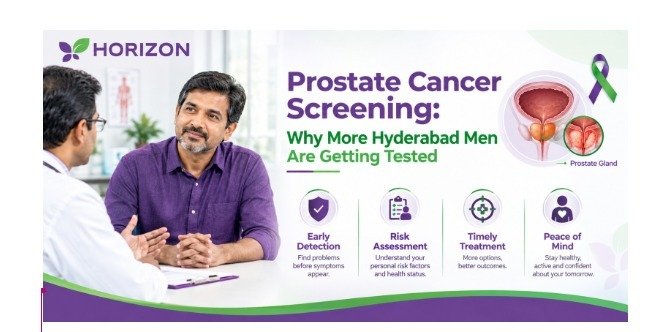
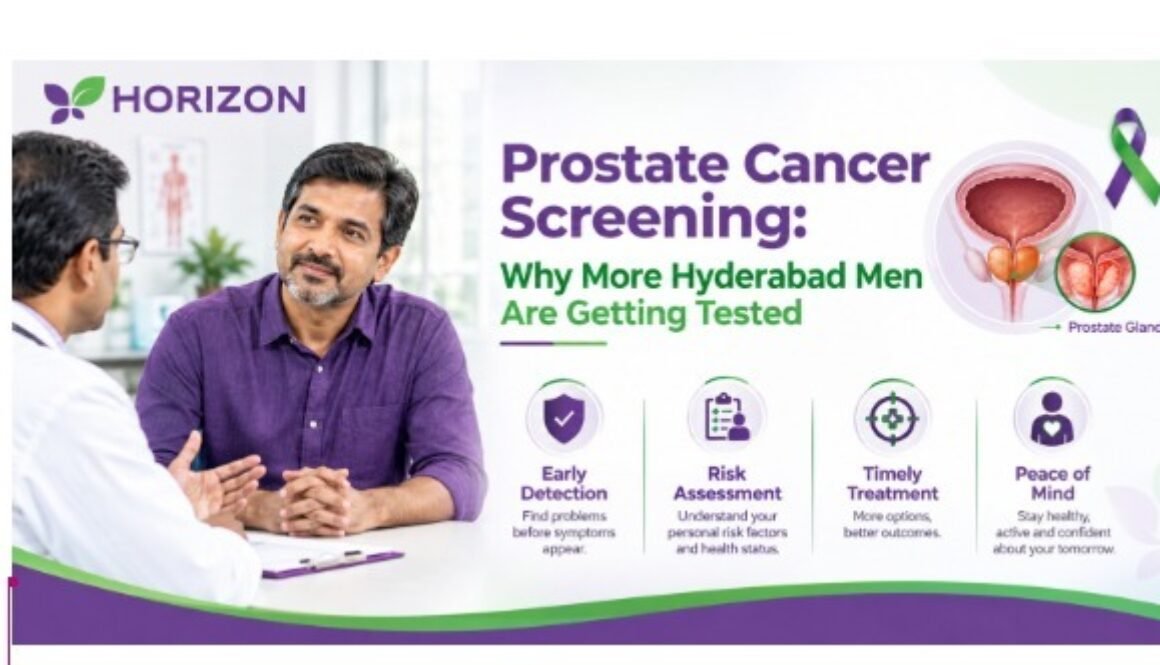
Prostate Cancer: Men should discuss the potential benefits and risks of prostate cancer screening with their doctor, especially if they are over 50 or have a family history.
2. Recognizing Warning Signs
Being aware of potential warning signs of cancer can lead to earlier detection. Symptoms to watch for include:
Unexplained Weight Loss: Significant and unexplained weight loss could indicate cancer or another serious health condition. If you experience a sudden drop in weight without a change in diet or exercise routine, it is essential to consult a healthcare professional.
Persistent Pain: Ongoing pain that does not improve over time may be a cause for concern. While pain can have many causes, persistent discomfort in a specific area should be evaluated to rule out cancer or other serious issues.
Changes in Skin: Unusual changes in skin appearance, such as new growths, changes in existing moles, or alterations in skin texture, should be examined. Skin cancer can present as new or changing lesions that require medical attention.
Abnormal Bleeding: Unexplained bleeding or discharge, particularly from the breast, vagina, or rectum, can be indicative of cancer. Any unusual bleeding should be promptly investigated to determine its cause.
Non-Healing Ulcers in Mouth or Throat: Persistent sores or ulcers in the mouth or throat that do not heal can be a warning sign of oral or throat cancer. These lesions should be checked by a healthcare provider, especially if they are painful or worsening.
Appearance of New Lumps: The discovery of new lumps or masses in any part of the body should not be ignored. Lumps that grow over time or are accompanied by other symptoms may need to be assessed for possible malignancy.
Persistent Indigestion: Ongoing digestive issues, such as indigestion, bloating, or difficulty swallowing, that do not resolve with over-the-counter medications could be a sign of gastrointestinal cancer. Persistent symptoms should be evaluated by a medical professional.
Nagging Cough or Change in Voice: A persistent cough that lasts for weeks or a noticeable change in your voice can be indicative of lung or throat cancer. These symptoms, especially if accompanied by other signs, should be discussed with a healthcare provider.
3. Genetic Testing and Family History
For individuals with a family history of cancer, genetic testing may be recommended. This can identify inherited mutations that increase cancer risk, allowing for more tailored prevention and early detection strategies.
4. Regular Check-Ups
Routine check-ups with healthcare providers are essential for maintaining overall health and identifying any potential issues early. Discuss your risk factors and screening options with your doctor to ensure you are following the appropriate guidelines.
Cancer Care and Support at Horizon Cancer Care
At Horizon Cancer Care, we are dedicated to providing comprehensive support for cancer prevention and early detection. Our services include:
Personalized Risk Assessments: Our specialists offer detailed risk assessments based on individual health profiles and family history.
Advanced Screening Techniques: We use state-of-the-art technology for accurate and efficient cancer screenings.
Expert Consultation: Our team of experienced Cancer Surgeon In Hyderabad and specialists provides personalized guidance and treatment plans.
Support Services: We offer emotional and psychological support, nutritional counseling, and lifestyle coaching to help patients and their families navigate cancer care.
Conclusion
Cancer prevention and early detection are essential for improving outcomes and ensuring a healthier life. By adopting a healthy lifestyle, adhering to screening guidelines, and being vigilant about potential symptoms, individuals can significantly reduce their cancer risk and catch any issues early. At Horizon Cancer Care, we are committed to supporting our community through education, advanced medical care, and personalized support. Embrace these expert tips and take proactive steps towards a healthier future.
For more information about cancer prevention, early detection, and comprehensive care options, contact Horizon Cancer Care today. Our dedicated team is here to guide you every step of the way in your journey toward better health.
The Role of a Surgical Oncologist in Comprehensive Cancer Care
The Role of a Surgical Oncologist in Comprehensive Cancer Care: Perspectives from Hyderabad’s Experts. Cancer care is a complex and multifaceted process that requires a team of specialists working together to provide the best outcomes for patients. In Hyderabad, as in many advanced medical centers, surgical oncologists play a crucial role in this multidisciplinary approach. This blog explores how Best Surgical Oncologist In Hyderabadcollaborate with other specialists to deliver comprehensive cancer care, offering insights from leading practitioners in Hyderabad.
Understanding the Role of The Best Surgical Oncologist In Hyderabad
Who is a Surgical Oncologist?
A surgical oncologist is a specialist trained to perform surgeries to remove tumors and cancerous tissues. Their role is critical in the treatment of cancer, as they often handle the initial surgical intervention necessary to diagnose, stage, and treat cancer. Beyond surgery, they also work closely with other oncologists and healthcare professionals to ensure a comprehensive approach to patient care.
Key Responsibilities of a Surgical Oncologist
Diagnosis and Staging
Surgical oncologists play a critical role in the diagnostic process of cancer by utilizing surgical techniques to obtain biopsy samples and assess the extent of the disease. During diagnostic procedures, they may perform minimally invasive surgeries such as laparoscopic biopsies or more invasive surgeries if needed. These procedures are essential for obtaining tissue samples, which are then analyzed to confirm the presence of cancer, determine the specific type, and establish the cancer stage. Accurate staging is crucial for formulating an effective treatment plan, as it provides information on how far the cancer has spread, whether it is localized or metastatic, and what interventions are necessary for optimal patient care.
Tumor Removal
One of the primary responsibilities of the Best Surgical Oncologist In Hyderabad is the removal of tumors, a procedure that can range from partial resection of a tumor to complete removal of an affected organ or tissue. The goal of tumor removal surgery is to excise the cancerous tissue/ tumor completely with a cuff of surrounding normal tissue while preserving surrounding healthy structures. This surgical intervention is often performed with the intent to achieve clear margins, ensuring that no cancerous cells are left behind. Depending on the cancer’s type, size, and location, surgical oncologists may employ various techniques, including open surgery or minimally invasive approaches, to effectively address the tumor and reduce the risk of recurrence.
Pre- and Post-Operative Care
Surgical oncologists are responsible for providing comprehensive care both before and after surgery to ensure optimal outcomes and patient safety. Before surgery, they conduct thorough evaluations to assess the patient’s overall health, discuss the surgical procedure, and prepare them for the operation. This includes managing any pre-existing conditions that may affect the surgery and educating the patient about what to expect. Post-operatively, surgical oncologists closely monitor the patient’s recovery, manage potential complications, and provide guidance on rehabilitation and follow-up care. This ongoing support is essential for helping patients recover effectively, addressing any concerns that arise, and ensuring that the surgical intervention contributes positively to their overall treatment plan.
The Importance of a Multidisciplinary Approach
Collaborating with Radiation Oncologists
Integrated Treatment Plans: Radiation Oncologist In Hyderabad focus on using high-energy radiation to kill cancer cells or shrink tumors. Surgical oncologists collaborate with them to create an integrated treatment plan that may combine surgery and radiation therapy.
Sequencing Treatments: Timing and sequencing of surgery and radiation therapy are crucial. For instance, in some cases, radiation may be used before surgery to shrink a tumor, or after surgery to eliminate any remaining cancer cells.
Shared Goals: Both specialties work toward the shared goal of maximizing tumor removal while minimizing damage to surrounding healthy tissues. Coordination between surgical and radiation oncologists ensures that the treatment plan is optimized for the patient’s specific type and stage of cancer.
Working with Medical Oncologists
Chemotherapy and Targeted Therapy: Medical oncologists manage chemotherapy, targeted therapy, and immunotherapy. Best Surgical Oncologist In Hyderabad collaborates with them to determine the timing of surgical interventions for these treatments.
Personalized Treatment Plans: Together, they create personalized treatment plans that address the patient’s overall health, cancer type, and stage. This approach ensures that surgery is integrated effectively with systemic therapies.
Monitoring and Follow-Up: Post-surgery, surgical oncologists and medical oncologists monitor the patient’s response to treatment, adjust therapies as needed, and plan for ongoing care.
Collaboration with Pathologists
Diagnosis and Staging: Pathologists analyze tissue samples obtained during surgery to confirm the diagnosis and provide detailed information about the cancer type and stage. This information is vital for planning subsequent treatments.
Feedback and Adjustments: The surgical oncologist relies on pathologists’ reports to make informed decisions about additional treatments or modifications to the surgical plan.
Coordination with Radiologists
Imaging and Diagnosis: Radiologists provide imaging services such as X-rays, CT scans, MRIs, and PET scans that are essential for diagnosing cancer and planning surgery.
Pre- and Post-Operative Imaging: Surgical oncologists use imaging to guide surgery and assess the effectiveness of the treatment. Collaboration with radiologists ensures accurate imaging and interpretation, crucial for surgical planning and follow-up.
The Benefits of a Multidisciplinary Approach
Enhanced Treatment Efficacy
Combining the expertise of surgical oncologists with other specialists ensures a more effective treatment plan. By integrating surgery with radiation, chemotherapy, and targeted therapies, the team can address the cancer more comprehensively and improve the chances of successful outcomes.
Personalized Care
A multidisciplinary approach allows for personalized treatment plans tailored to each patient’s specific needs. This ensures that all aspects of the patient’s condition are considered, leading to more precise and effective care.
Comprehensive Support
Beyond medical treatment, a multidisciplinary team provides comprehensive support, including psychological counseling, nutritional advice, and rehabilitation services. This holistic approach addresses the patient’s overall well-being, enhancing their quality of life during and after treatment.
Conclusion
The role of a surgical oncologist in comprehensive cancer care is pivotal, but their effectiveness is significantly enhanced through collaboration with other specialists. In Hyderabad, the leading Best Surgical Oncologist In Hyderabad works closely with Radiation Oncologist In Hyderabad, medical oncologists, pathologists, and radiologists to provide integrated and personalized care. This multidisciplinary approach ensures that patients receive the most effective treatment tailored to their specific needs, improving outcomes and quality of life.
At Horizon Cancer Care, we are dedicated to providing this comprehensive approach to cancer treatment, leveraging the expertise of our team to deliver the highest standard of care. By working together, we strive to offer our patients the best possible chance for recovery and a brighter future.
Palliative Care vs. Hospice Care: Understanding the Key Differences
Esophageal cancer is a serious condition that requires timely diagnosis and treatment. For individuals navigating a breast cancer diagnosis, understanding the surgical options for esophageal cancer can provide valuable insight, particularly if they are facing a dual diagnosis or have concerns about their overall cancer risk. This guide will explore the various surgical approaches for esophageal cancer, detailing preparation, recovery, and the potential impact on nutrition and quality of life.
Understanding Esophageal Cancer
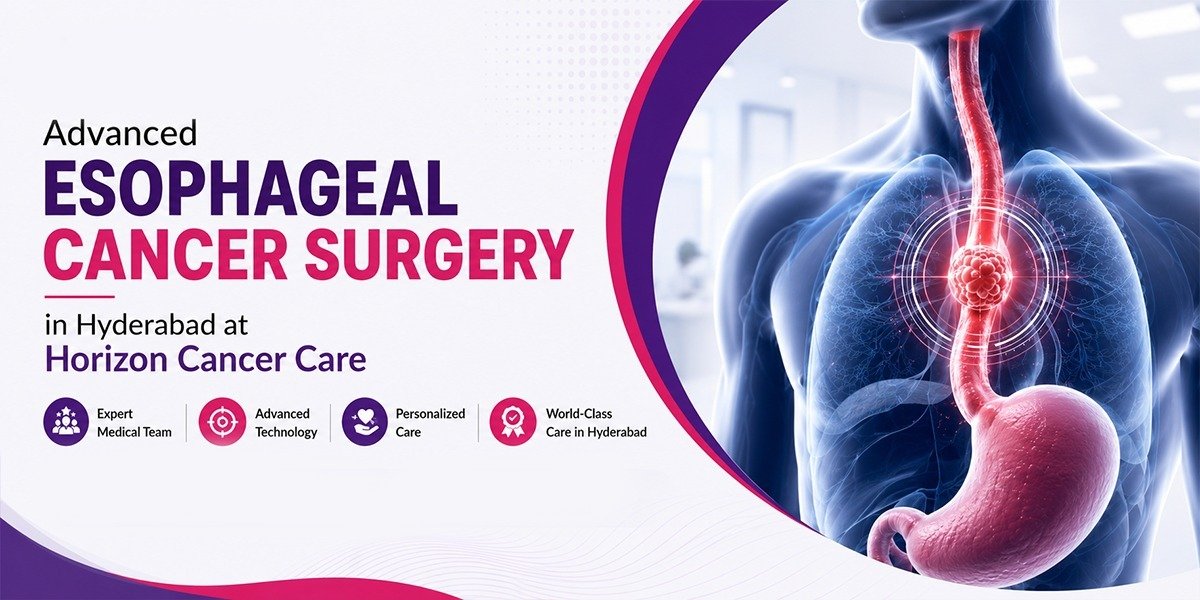
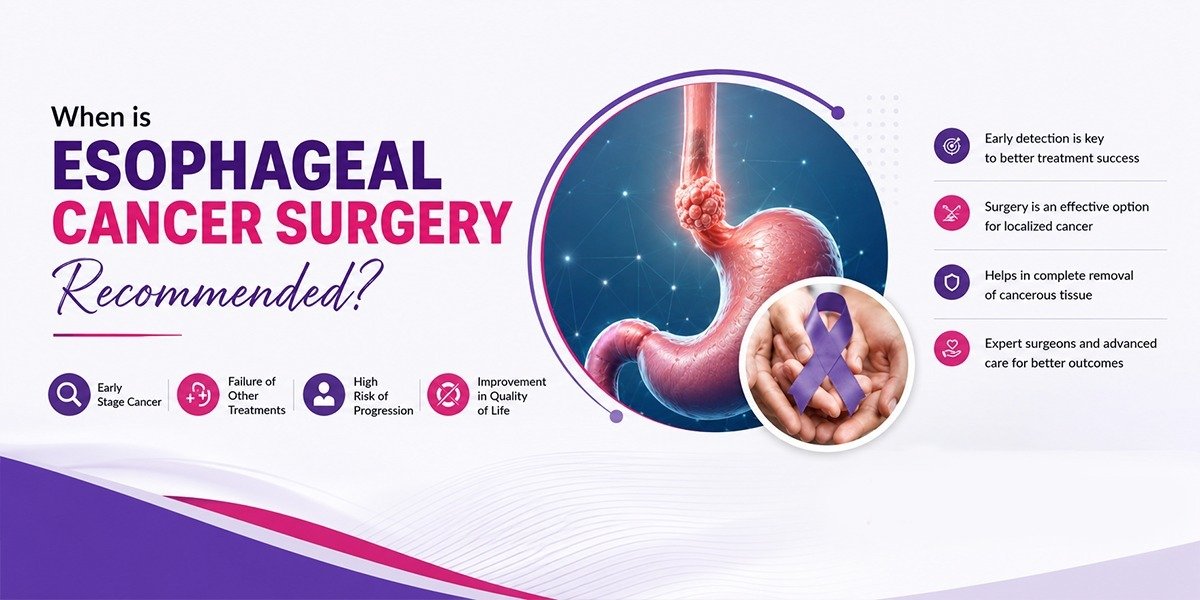
Esophageal Cancer Treatment In Hyderabad often involves surgical intervention, especially for localized tumors. Here’s a detailed overview of the primary surgical options, including esophagectomy, endoscopic resection, and palliative surgery.
1. Esophagectomy
Esophagectomy is the most common surgical procedure for treating esophageal cancer. This extensive operation entails the removal of part or the entire esophagus, depending on the cancer’s stage and location. Surgeons can perform esophagectomy using different techniques:
Open Esophagectomy: This traditional approach involves making a larger incision either in the chest or abdomen. The surgeon gains direct access to the esophagus, allowing for comprehensive examination and removal of the tumor. While this method provides a clear view of the surgical site, it typically results in a longer recovery time and increased postoperative pain compared to minimally invasive techniques.
Minimally Invasive Esophagectomy (MIE): In contrast to open esophagectomy, MIE employs smaller incisions and specialized instruments, including cameras and video assisted Thoracoscipy (VATS) / robotic systems. Surgeons use these tools to operate with enhanced precision. MIE has been associated with shorter recovery times, reduced postoperative pain, and a lower risk of complications, making it an increasingly popular choice for eligible patients. However, not all patients are suitable candidates for this technique, as factors such as tumor size and location may dictate the most appropriate surgical approach.
2. Endoscopic Resection
Endoscopic resection is another surgical option, specifically designed for patients with very early-stage esophageal cancer. The procedure, known as Endoscopic Mucosal Resection (EMR), involves the removal of cancerous tissue through an endoscope—a flexible tube equipped with a light and camera inserted through the mouth and into the esophagus.
EMR is less invasive than traditional surgical methods, which allows patients to avoid the extensive recovery typically associated with more significant surgical interventions. The benefits of EMR include:
Quick Recovery: Patients usually experience a shorter hospital stay and can often return to normal activities more quickly than those who undergo esophagectomy.
Minimal Discomfort: The procedure is performed under sedation, and most patients report less postoperative pain.
However, EMR is only suitable for select patients, particularly those with very early-stage cancers that have not invaded deeper layers of the esophageal wall. Additionally, the effectiveness of EMR is closely monitored, as there may be a risk of cancer recurrence.
3. Palliative Surgery
For patients with advanced esophageal cancer, where curative surgery is no longer an option, palliative surgery can be a viable alternative. This type of surgery aims to alleviate symptoms and improve the patient’s quality of life rather than cure the disease.
Palliative procedures may involve the following:
Stent Placement: A stent is a small tube inserted into the esophagus to keep it open and allow food to pass through more easily. This is particularly beneficial for patients who experience significant swallowing difficulties due to tumor obstruction.
Bypass Surgery: In some cases, surgeons may create a bypass around the obstructed area, enabling food to travel directly to the stomach.
Palliative surgery can significantly improve a patient’s ability to eat and maintain nutrition, which is crucial for overall well-being. Although these procedures do not treat the cancer itself, they can provide much-needed relief from the symptoms of advanced disease.
Preparation for Surgery
Preparation for Esophageal Cancer Surgery involves several key steps:
Preoperative Evaluation
Before surgery, patients will undergo a thorough evaluation, including:
Medical History and Physical Examination: A comprehensive assessment of the patient’s health, including existing medical conditions and medications.
Imaging Studies: CT scans, PET scans, or endoscopies to assess the extent of the cancer and determine the most appropriate surgical approach.
Nutritional Assessment: Given the impact on swallowing and digestion post-surgery, a dietitian may be consulted to help patients optimize their nutritional status before surgery.
Preoperative Instructions
Patients will receive specific instructions, which may include:
Dietary Changes: A transition to a liquid diet a few days before surgery.
Smoking Cessation: Patients who smoke will be advised to quit, as smoking can hinder healing.
Medications: Guidance on which medications to continue or discontinue before surgery.
The Surgical Procedure
The surgical procedure itself can take several hours, depending on the type of surgery performed. During an esophagectomy, the surgeon will remove the affected part of the esophagus and reconstruct the digestive tract, often using part of the stomach or intestines to create a new connection.
Recovery After Esophageal Cancer Surgery
Recovery after Esophageal Cancer Surgery can be challenging and varies from patient to patient. Here are some key aspects of the recovery process:
Hospital Stay
Patients typically spend several days in the hospital following surgery. During this time, healthcare providers will monitor vital signs, manage pain, and assess for complications such as infection or bleeding.
Initial Recovery
Breathing Exercises: Patients will be encouraged to perform breathing exercises to prevent pneumonia.
Gradual Diet Advancement: Initially, patients may receive nutrition through an IV or feeding tube. As they recover, they will gradually progress to clear liquids, then soft foods, and eventually a regular diet.
Potential Complications
While surgery can be lifesaving, there are potential complications, including:
Anastomotic Leak: A leak at the surgical connection site can occur, leading to serious complications.
Strictures: Narrowing of the esophagus can develop, causing swallowing difficulties.
Reflux: Patients may experience gastroesophageal reflux, requiring dietary adjustments and medications.
Impact on Nutrition and Quality of Life
Nutritional Considerations
Post-surgery, patients may face challenges with nutrition:
Swallowing Difficulties: Changes to the esophagus can make swallowing more difficult. Patients may need to adopt softer food textures and eat smaller, more frequent meals.
Nutritional Supplements: In some cases, patients may require nutritional supplements to meet their dietary needs, especially if they have difficulty eating sufficient calories or nutrients.
Quality of Life
Physical and Emotional Adjustments: Adjusting to life after surgery can be emotionally taxing. Support groups and counseling services may benefit patients and their families as they navigate this transition.
Long-Term Follow-Up: Regular follow-ups with the healthcare team are essential to monitor for recurrence and manage any long-term effects of surgery.
Conclusion
Understanding Esophageal Cancer Surgery is crucial for breast cancer patients or anyone facing potential diagnoses. With various surgical options available, preparation, recovery, and nutritional impacts are critical components of the treatment journey.
At Horizon Cancer Care, we are dedicated to providing comprehensive Cancer Treatment In Hyderabad, including specialized care for esophageal and breast cancer. Our team of experts is committed to supporting patients through their treatment, ensuring they receive the highest quality care tailored to their needs.
For more information on our services or to schedule a consultation, please visit our website or contact us today. Empower yourself with knowledge and support as you navigate your Cancer Treatment In Hyderabad journey. Schedule your Breast Cancer Surgery with us!