Advanced Esophageal Cancer Surgery in Hyderabad at Horizon Cancer Care
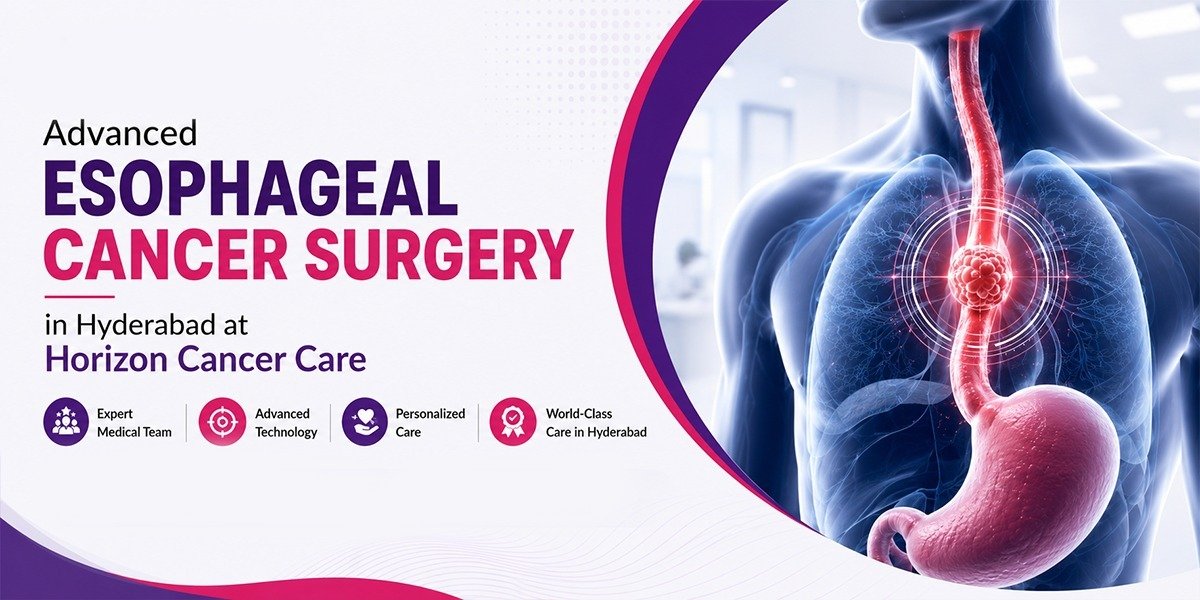
Esophageal cancer is a serious condition that affects the esophagus—the muscular tube that carries food and liquids from the mouth to the stomach. When diagnosed early, esophageal cancer surgery offers one of the most effective treatment options and significantly improves long-term outcomes.
At Horizon Cancer Care, we provide comprehensive esophageal cancer treatment in Hyderabad, combining advanced surgical techniques, experienced surgical oncologists, medical oncologists, and personalized patient care. Our multidisciplinary cancer team evaluates every patient individually to develop the most effective treatment plan based on the stage of cancer, overall health, and treatment goals.
Whether surgery is performed alone or combined with chemotherapy, immunotherapy, or radiation therapy, our goal is to deliver world-class cancer care while helping patients regain their health and quality of life.
What is Esophageal Cancer?
Esophageal cancer develops in the lining of the esophagus and gradually grows into deeper layers if left untreated. The disease commonly affects adults over the age of 50, although it can occur earlier in certain individuals with risk factors.
The two primary types of esophageal cancer include:
Squamous Cell Carcinoma
This type develops in the upper and middle portions of the esophagus and is often associated with tobacco use, alcohol consumption, and nutritional deficiencies.
Adenocarcinoma
Adenocarcinoma usually develops in the lower part of the esophagus and is commonly linked to chronic acid reflux (GERD), Barrett’s Esophagus, obesity, and lifestyle factors.
Early diagnosis allows for more treatment options and significantly improves survival rates.
Common Symptoms of Esophageal Cancer
Many patients ignore the early warning signs because they develop gradually. If you experience any of the following symptoms, consult an experienced esophageal cancer specialist in Hyderabad immediately.
Common symptoms include:
- Difficulty swallowing (Dysphagia)
- Pain while swallowing
- Persistent heartburn or acid reflux
- Unexplained weight loss
- Chest discomfort
- Hoarseness of voice
- Persistent cough
- Loss of appetite
- Vomiting after eating
- Fatigue and weakness
Early evaluation can help detect cancer before it spreads to surrounding organs.
When is Esophageal Cancer Surgery Recommended?
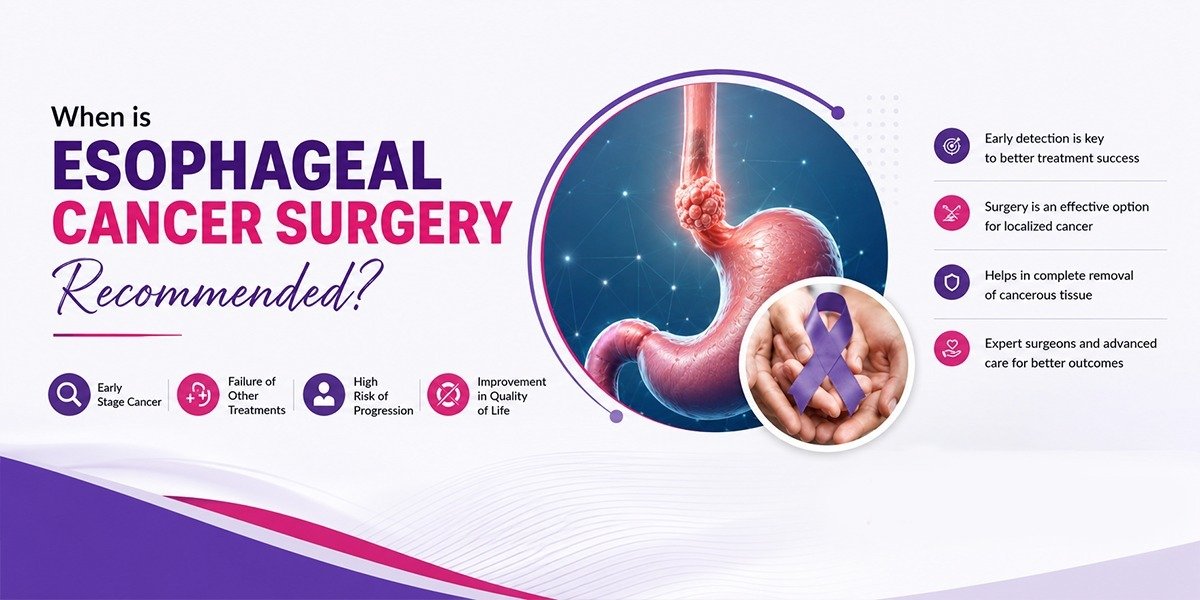
Surgery is one of the primary treatment options for localized esophageal cancer. Depending on the stage and location of the tumor, surgery may be performed:
- As the primary treatment for early-stage cancers
- After chemotherapy or radiation therapy to shrink the tumor
- Along with multimodality cancer treatment
- To relieve symptoms in selected advanced-stage patients
Our multidisciplinary oncology team carefully evaluates each patient before recommending surgery.
Types of Esophageal Cancer Surgery
At Horizon Cancer Care, we offer advanced surgical approaches for esophageal cancer treatment in Hyderabad based on international oncology guidelines.
1. Esophagectomy
An esophagectomy is the most common surgery performed to remove cancer from the esophagus. During this procedure, the affected portion—or in some cases, the entire esophagus—is removed along with nearby lymph nodes.
The digestive tract is then reconstructed, usually by using part of the stomach to create a new food passage.
Open Esophagectomy
This traditional procedure involves larger incisions in the chest and abdomen, allowing surgeons direct access to the tumor. It is often recommended for complex cases requiring extensive surgical removal.
Minimally Invasive Esophagectomy (MIE)
Whenever clinically appropriate, minimally invasive surgery offers several advantages.
Using small incisions, specialized laparoscopic instruments, video-assisted thoracoscopy (VATS), or robotic-assisted surgery, surgeons perform the procedure with enhanced precision.
Benefits include:
- Smaller incisions
- Less blood loss
- Reduced postoperative pain
- Lower risk of infection
- Faster recovery
- Shorter hospital stay
- Earlier return to daily activities
Not every patient is a candidate for minimally invasive surgery, and our specialists determine the most suitable approach after detailed evaluation.
2. Endoscopic Mucosal Resection (EMR)
Patients diagnosed with very early-stage esophageal cancer may be eligible for Endoscopic Mucosal Resection (EMR).
During this minimally invasive procedure, cancerous tissue is removed using a flexible endoscope passed through the mouth without external incisions.
Advantages include:
- No major surgery
- Minimal discomfort
- Faster recovery
- Short hospital stay
- Preservation of the esophagus
- Early return to normal activities
EMR is suitable only for carefully selected patients whose cancer has not spread beyond the superficial layers of the esophagus.
3. Palliative Surgery
For advanced cancers where complete removal is not possible, palliative procedures help improve quality of life by relieving symptoms.
These procedures may include:
Esophageal Stent Placement
A self-expanding metallic stent keeps the esophagus open, allowing patients to swallow food and liquids more comfortably.
Feeding Tube Placement
Patients experiencing severe swallowing difficulties may receive a feeding tube to maintain adequate nutrition during treatment.
Bypass Procedures
In selected cases, surgeons create an alternate pathway for food to bypass the blocked portion of the esophagus.
Although these procedures do not cure cancer, they significantly improve comfort, nutrition, and overall well-being.
Preparing for Esophageal Cancer Surgery
Successful surgery begins with careful planning.
Comprehensive Medical Evaluation
Before surgery, patients undergo:
- Complete physical examination
- Blood investigations
- CT Scan
- PET-CT Scan
- Upper GI Endoscopy
- Endoscopic Ultrasound (when required)
- Pulmonary function tests
- Cardiac evaluation
- Nutritional assessment
These investigations help determine the stage of cancer and ensure patients are fit for surgery.
Nutritional Preparation
Many patients with esophageal cancer experience weight loss due to difficulty swallowing.
Our clinical dietitians develop personalized nutrition plans to improve strength before surgery.
Lifestyle Modifications
Patients are advised to:
- Stop smoking
- Avoid alcohol
- Maintain good nutrition
- Stay physically active where possible
- Follow medication instructions provided by their surgeon
Proper preparation contributes to smoother recovery and better surgical outcomes.
What Happens During Surgery?
The duration of surgery depends on the complexity of the procedure.
After removing the cancerous portion of the esophagus, surgeons reconstruct the digestive tract using the stomach or, in selected cases, part of the intestine.
Nearby lymph nodes are also removed for accurate staging and to reduce the risk of recurrence.
Throughout the procedure, patients remain under general anesthesia and are closely monitored by a specialized surgical and anesthesia team.
Recovery After Esophageal Cancer Surgery
Recovery varies depending on the patient’s health, surgical approach, and extent of disease.
Hospital Stay
Most patients remain in the hospital for approximately one to two weeks, during which our multidisciplinary team monitors recovery closely.
Pain Management
Modern pain control techniques help patients remain comfortable and begin early mobilization.
Breathing Exercises
Respiratory physiotherapy reduces the risk of lung complications and supports faster healing.
Gradual Return to Eating
Initially, nutrition may be provided through a feeding tube or intravenous support.
Patients gradually progress through:
- Clear liquids
- Soft foods
- Semi-solid diet
- Regular meals under medical supervision
Diet progression is carefully monitored to ensure safe swallowing.
Possible Risks and Complications
Like any major surgery, esophageal cancer surgery carries certain risks.
Possible complications include:
- Bleeding
- Infection
- Pneumonia
- Leakage at the surgical connection
- Narrowing of the esophagus (Stricture)
- Acid reflux
- Difficulty swallowing
- Nutritional deficiencies
Our experienced surgical oncology team follows evidence-based protocols to minimize these risks and ensure early detection and treatment should complications arise.
Nutrition After Esophageal Cancer Surgery
Nutrition plays an essential role in recovery.
Patients are encouraged to:
- Eat small, frequent meals
- Chew food thoroughly
- Stay upright after eating
- Drink adequate fluids
- Include protein-rich foods
- Avoid overeating
- Follow dietitian recommendations
Some patients may temporarily require nutritional supplements while adapting to their new eating pattern.
Long-Term Follow-Up Care
Cancer treatment does not end after surgery.
Regular follow-up appointments help monitor:
- Healing and recovery
- Nutritional status
- Recurrence of cancer
- Long-term side effects
- Overall health
Our oncology team remains involved throughout survivorship, ensuring patients receive continued support whenever needed.
Why Choose Horizon Cancer Care for Esophageal Cancer Surgery in Hyderabad?
Horizon Cancer Care is committed to providing comprehensive, patient-centered cancer care using the latest advancements in oncology.
Patients choose us because we offer:
- Experienced Surgical Oncologists
- Expert Medical Oncologists
- Advanced Minimally Invasive Surgery
- Evidence-Based International Treatment Protocols
- Modern Diagnostic Technology
- Personalized Cancer Treatment Plans
- Dedicated Chemotherapy and Day Care Services
- Nutritional and Psychological Support
- Multidisciplinary Tumor Board Evaluation
- Compassionate, Holistic Patient Care
Our mission is to provide every patient with safe, effective, and personalized cancer treatment that delivers the best possible outcomes.
Begin Your Journey Towards Better Cancer Care
An esophageal cancer diagnosis can feel overwhelming, but timely treatment can make a significant difference. At Horizon Cancer Care, our experienced oncology specialists provide advanced esophageal cancer treatment in Hyderabad, combining surgical expertise with comprehensive cancer care under one roof.
From diagnosis and surgery to chemotherapy, radiation therapy, nutritional guidance, and long-term follow-up, we are committed to supporting patients and their families at every stage of treatment.
If you or a loved one is experiencing symptoms or has been diagnosed with esophageal cancer, schedule a consultation with our specialists today and take the first step toward expert, compassionate care.
FAQs
Is surgery the best treatment for esophageal cancer?
Surgery is often the preferred treatment for localized esophageal cancer. Depending on the stage, it may be combined with chemotherapy, radiation therapy, or immunotherapy.
How long does recovery take after esophageal cancer surgery?
Recovery varies by patient, but most individuals require several weeks to a few months for complete recovery. Minimally invasive surgery generally allows faster healing.
Can I eat normally after surgery?
Most patients gradually return to eating regular foods, although smaller and more frequent meals are usually recommended during recovery.
Is minimally invasive esophageal surgery available at Horizon Cancer Care?
Yes. Our surgical oncology team offers minimally invasive esophagectomy for eligible patients after comprehensive evaluation.
Why choose Horizon Cancer Care for esophageal cancer treatment in Hyderabad?
Horizon Cancer Care offers experienced surgical oncologists, advanced technology, personalized treatment plans, multidisciplinary cancer care, comprehensive rehabilitation, and compassionate support throughout the cancer journey.