
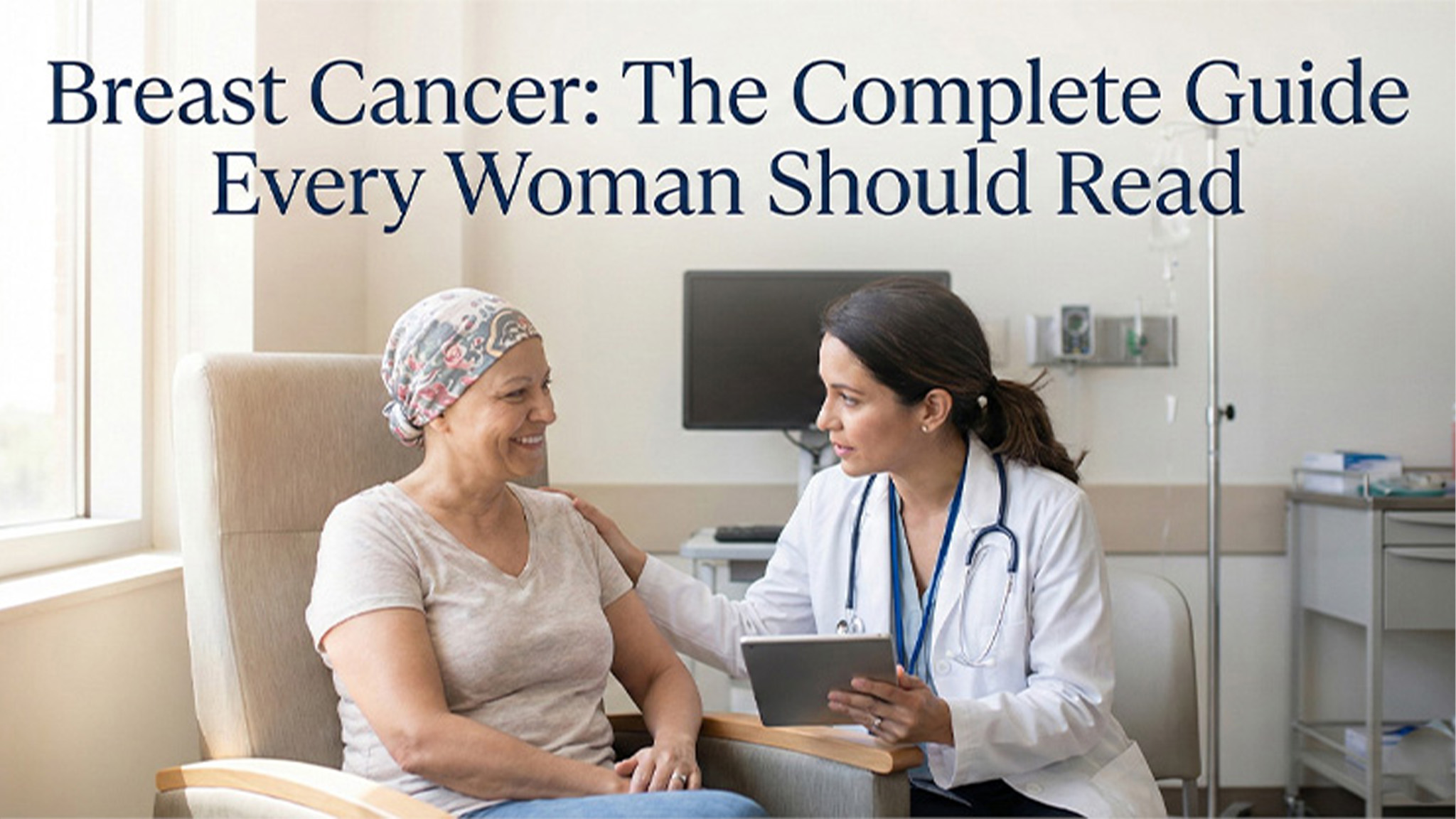
Breast Cancer: A Complete Guide for Women
Breast cancer is now the most common cancer affecting women worldwide. It touches women across all countries, age groups above 20, and every social and economic background. While the rising numbers may create fear, today’s story of breast cancer is also a story of hope. Treatments are advanced, survival rates are higher, and early detection has become strong enough to save a majority of women diagnosed in early stages.
This guide explains breast cancer in simple, clear language so every woman can recognise risks, understand symptoms, learn available treatment for breast cancer, and feel confident in the journey toward recovery.
What Is Breast Cancer?
Breast cancer begins when certain cells in the breast multiply uncontrollably. These cells may form a lump or a thickened area. Sometimes cancer spreads to the lymph nodes in the underarm, and in advanced stages, it may travel to the liver, lungs, or bones.
However, this process is slow. Most breast cancers start small and can be detected early with screening and awareness.
Breast Cancer in India: Rising Numbers
Globally, breast cancer accounts for the highest number of cancer diagnoses in women. India is witnessing a rapid increase, especially in metropolitan cities. Lifestyle shifts, delayed childbirth, reduced breastfeeding, hormonal factors, and longer lifespans all contribute.
One major challenge in India is late detection. Many women reach hospitals only when the lump becomes large or when cancer has already spread. When breast cancer is found at Stage I, survival can exceed 90%, making timely screening crucial.
Risk Factors Every Woman Should Know
1. Age
Risk rises significantly after age 40 and even more after 50.
2. Hormonal Exposure
Early periods, late menopause, first pregnancy after 30, or not breastfeeding increase lifetime hormone exposure.
3. Family History
Having a mother, sister, or daughter with breast cancer increases risk, especially if diagnosed early.
4. Genetic Mutations
Genes like BRCA1, BRCA2, PALB2, TP53 raise the chances of breast cancer and ovarian cancer.
Women with strong family histories should consider genetic counselling.
5. Lifestyle Factors
Overweight after menopause, alcohol consumption, lack of exercise, stress, and poor diet all influence risk. The good news these are modifiable.
Types of Breast Cancer
Breast cancer is not a single disease. It has different biological types defined through biopsy tests.
- Hormone-positive (ER/PR positive) – responds very well to hormone-blocking treatments.
- HER2-positive – aggressive but highly responsive to targeted therapies.
- Triple-negative breast cancer – lacks ER, PR, and HER2; responds strongly to chemotherapy and immunotherapy.
Understanding type helps doctors customise the best treatment plan.
Breast Cancer Staging
- Stage I: Small tumor, confined to breast
- Stage II: Larger tumor or limited lymph node spread
- Stage III: Locally advanced
- Stage IV: Cancer has spread to other organs
Early stages are highly curable with modern therapies.
How Breast Cancer Is Diagnosed
Diagnosis usually includes:
1. Mammogram
Standard test after age 40; detects tiny cancers before any lump is felt.
2. Ultrasound
Useful in women with dense breasts and younger women.
3. MRI
Recommended for high-risk women or unclear findings.
4. Biopsy
The most important test — confirms cancer and identifies its type and markers like ER, PR, and HER2.
Treatment Options for Breast Cancer
Breast cancer treatment is a combination of surgery, radiation, chemotherapy, targeted therapy, hormone therapy, and immunotherapy.
1. Breast Cancer Surgery
Surgery is often the first step for early-stage cancers.
- Lumpectomy: Removes only the lump; breast is preserved
- Mastectomy: Removes the entire breast
- Sentinel node biopsy: Removes only key lymph nodes
- Axillary dissection: Needed when many nodes are involved
Here’s a real-life example: At Horizon Cancer Care in Banjara Hills, Hyderabad, their breast cancer surgery program emphasises organ-saving techniques and cosmetic outcomes.
2. Radiation Therapy
Radiation is usually given after lumpectomy and sometimes after mastectomy. Modern radiation is highly precise and safe.
3. Chemotherapy
Recommended for aggressive tumors, HER2-positive cancers, triple-negative cancers, and cancers involving lymph nodes.
Neoadjuvant chemotherapy (before surgery) helps shrink tumors and increases the chances of breast preservation.
4. Targeted Therapy
HER2-positive cancers benefit greatly from medicines like trastuzumab, pertuzumab, and advanced antibody–drug conjugates. These have transformed survival outcomes.
5. Hormone / Endocrine Therapy
Given for hormone-positive cancers for 5–10 years. This simple daily treatment dramatically reduces recurrence.
6. Immunotherapy
Used especially in triple-negative breast cancer to boost the immune system’s ability to fight cancer.
Breast Reconstruction
Many women choose reconstruction to restore breast shape after mastectomy. Options include:
- Implants
- Using the woman’s own tissue
This helps restore confidence and emotional well-being.
Hereditary Breast Cancer & Genetics
If there’s a strong family history or early-onset breast/ovarian cancer, genetic counselling and testing (for genes like BRCA1/2) help identify risk. High-risk women may undergo more frequent screening, preventive measures, or even risk-reducing surgery. Many leading breast cancer hospitals in Banjara Hills, Hyderabad (like Horizon) offer hereditary cancer care and genetic testing.
Prevention: What Women Can Do
- Maintain a healthy weight
- Stay physically active
- Limit alcohol
- Reduce stress
- Breastfeed if possible
- Avoid unnecessary hormone therapy
- Undergo genetic counselling if a family risk exists
Small changes bring meaningful protection.
Early Detection Saves Lives
Regular screening can catch cancer before symptoms appear.
Start screening at 40
Women with dense breasts or high risk may need an ultrasound or MRI.
Warning signs include:
- Lump
- Change in shape
- Nipple inversion
- Bloody discharge
- Skin dimpling
- Persistent thickening
Every lump should be checked — most aren’t cancer but must be evaluated.
Survival & Life After Treatment
Survival depends on stage and biology, but outcomes today are excellent. Many women with Stage I and II are fully cured. Even advanced cases can be controlled for years with modern treatments.
After treatment, women may experience fatigue, joint pain, menopausal symptoms, or lymphedema. Support groups, physiotherapy, and survivorship clinics help women return to normal life with strength and confidence.
Why Choosing the Right Centre Matters
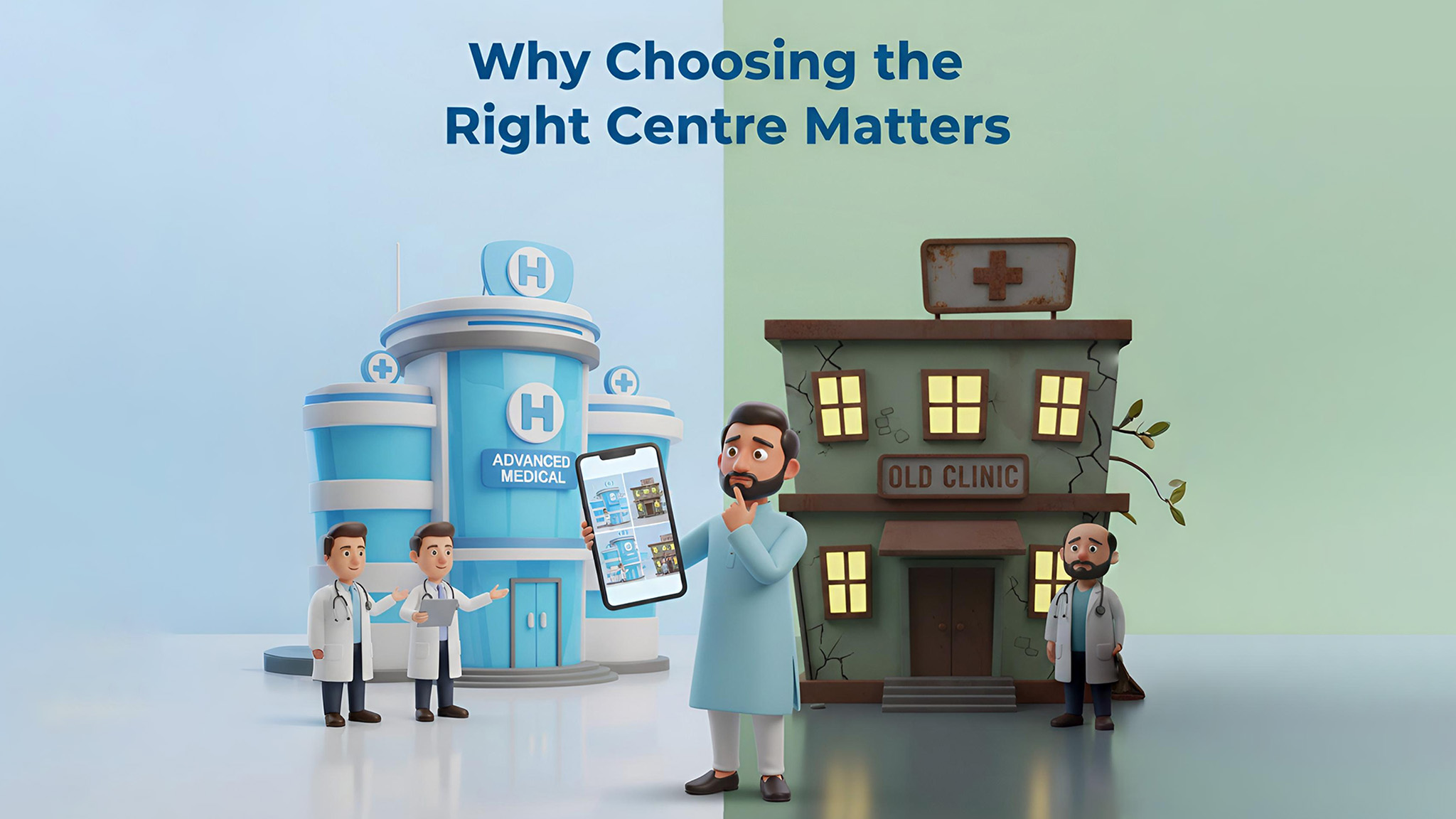
Quality care depends on experienced, trustworthy oncology centres. For example, Horizon Cancer Care, Banjara Hills, Hyderabad, stands out for several reasons:
- Experienced specialists — lead surgeon Dr. Srinivas Prasad has over two decades of oncology experience and a record of complex surgeries done successfully.
- Comprehensive services — from advanced diagnostics (imaging, biopsy, genetic testing) to surgery, chemotherapy, immunotherapy, radiation, reconstruction, and palliative/supportive care
- Patient-centred care and personalized treatment plans — tailored to individual needs, medical history, stage, tumor biology, and the patient’s personal/financial situation.
- Latest technology & evidence-based protocols — enabling organ-preserving surgeries, minimal complications, and access to modern therapies.
By choosing a trusted breast cancer hospital or clinic in Hyderabad, women get access to expert care, modern treatments, and supportive recovery, which greatly enhances their chances of a cure and quality of life.