Skip to content

Urologic Cancer

Our Cancer Specialties

Breast Cancer
Head and Neck Cancer
Colorectal Cancer
Gastrointestinal
Lung Cancer
Gynecologic Cancer
Urologic Cancer
Thyroid & Endocrine Cancer
Bone and Sarcoma Cancer
Skin Cancer
Liver and Pancreatic
Pediatric Cancer
Rare Cancers

    Urologic Cancer Hospital in Banjara Hills, Hyderabad

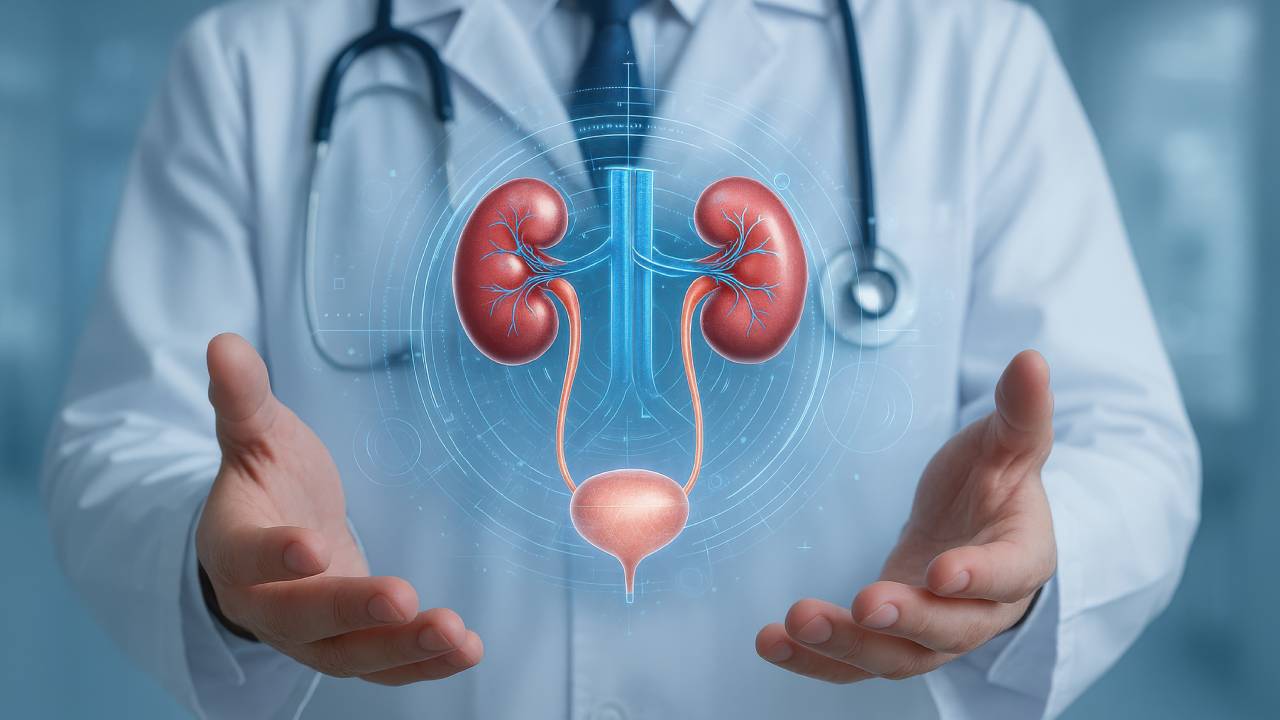
    Urologic cancers develop in the organs of the urinary system and the male reproductive tract. These cancers can affect the kidneys, urinary bladder, ureters, penis,urethra, and testes. Detecting these cancers at an early stage greatly improves treatment outcomes, especially in kidney and bladder cancers where symptoms may be mild or unnoticed in the beginning.

    About Urologic Cancers

    The most common urologic malignancies (excluding prostate) include:

    • Kidney Cancer
    • Bladder Cancer
    • Testicles Cancer
    • Upper Tract Urothelial & Ureter Tumors
    • Urethral
    • Genital ( vulva & penile) cancers

    Early-stage urologic cancers are often highly treatable. Advanced cases require a combination of surgery and systemic therapies.

    Symptoms of Urologic Cancer

    Blood in urine (painless hematuria)
    Flank or abdominal pain
    Recurrent urinary infections
    Difficulty urinating
    Testicular swelling or painless lump
    Non healing ulcer, skin changes or lump at the end of penis
    Unexplained weight loss or fatigue

    Diagnostic Evaluation

    Ultrasound of abdomen or scrotum
    Contrast-enhanced CT or MRI
    Cystoscopy for bladder evaluation
    Biopsy when indicated
    Blood investigations including tumor markers (especially in testicular cancer)

    Types of Urologic Cancers We Treat

    Kidney Cancer

    Partial or radical nephrectomy (kidney-preserving surgery whenever feasible)
    Targeted therapy or immunotherapy in advanced disease including immune checkpoint inhibitors and targeted therapies:
    Whenever feasible, partial nephrectomy (nephron-sparing surgery) is preferred for localized kidney tumors to preserve renal function without compromising oncologic safety. Minimally invasive and Image guided (RFA-Radio Frequency Ablation / Cryotherapy) approaches may be considered in selected cases.

    Bladder Cancer

    Transurethral resection (TURBT) for early-stage disease
    Intravesical therapy( BCG/ chemotherapy)
    Radical cystectomy for muscle-invasive disease
    We also offer immunotherapy & Antibody-Based Treatment for advanced or metastatic urothelial carcinoma including Antibody-drug conjugates (ADCs)
    PD-L1 testing and molecular profiling guide therapy selection in advanced cases.

    Genital cancer

    Early detection allows organ-preserving treatments with better functional outcomes
    Advanced disease may require definitive surgical management including partial or total organ removal
    Lymph node evaluation and dissections are performed when cancer spread is suspected
    Multimodal treatment including chemotherapy, radiotherapy, hormonal therapy or targeted therapy may be recommended

    Testicular Cancer

    Radical inguinal orchiectomy
    RPLND (Retroperitoneal Lymph Node Dissection)
    Chemotherapy in selected cases
    Surveillance protocols in early-stage low-risk tumors
    Urologic Cancer

    Penile Cancer

    Organ Preserving surgery for early stage , penectomy (partial or total) for locally advanced stages
    Sentinel or inguinal lymph nodal dissections
    Chemotherapy and Radiotherapy in selected cases

    Stage-Based Overview

    Multidisciplinary & Supportive Care

    Management may involve:

    • Surgical oncology
    • Medical oncology
    • Urology specialists
    • Radiology and pathology
    • Rehabilitation and survivorship planning

    Functional outcomes such as urinary control, renal preservation, and sexual health are carefully considered during treatment planning.

    FAQ’s

    Reviewed By

    Medically Reviewed by : Dr. Srinivas Prasad, MCh (Surgical Oncology)
    20+ years of experience in oncologic surgery and multidisciplinary cancer care.
    Registration No: 2111
    Last reviewed: February 2026